Some antiques attract us because of their craftsmanship. Others because of their history. And occasionally, an object seems to possess something much harder to describe—a presence.
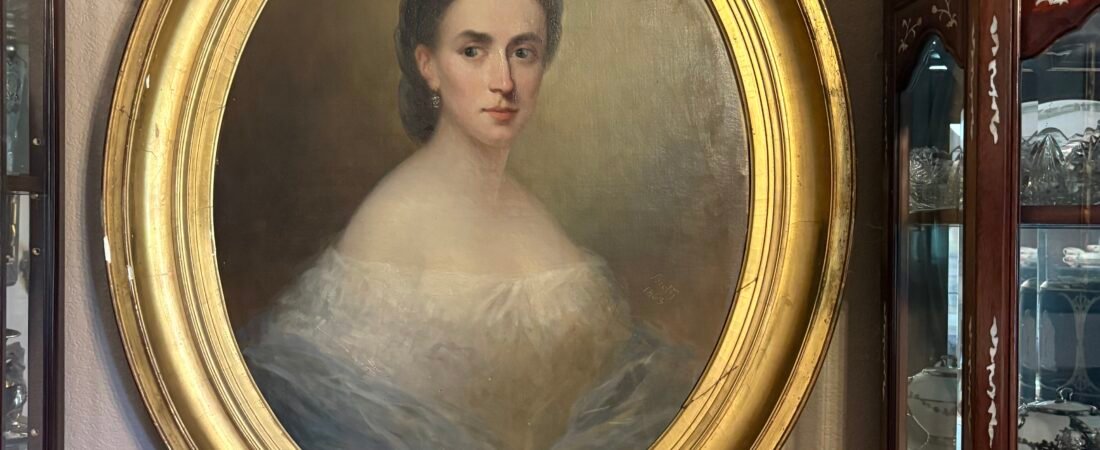
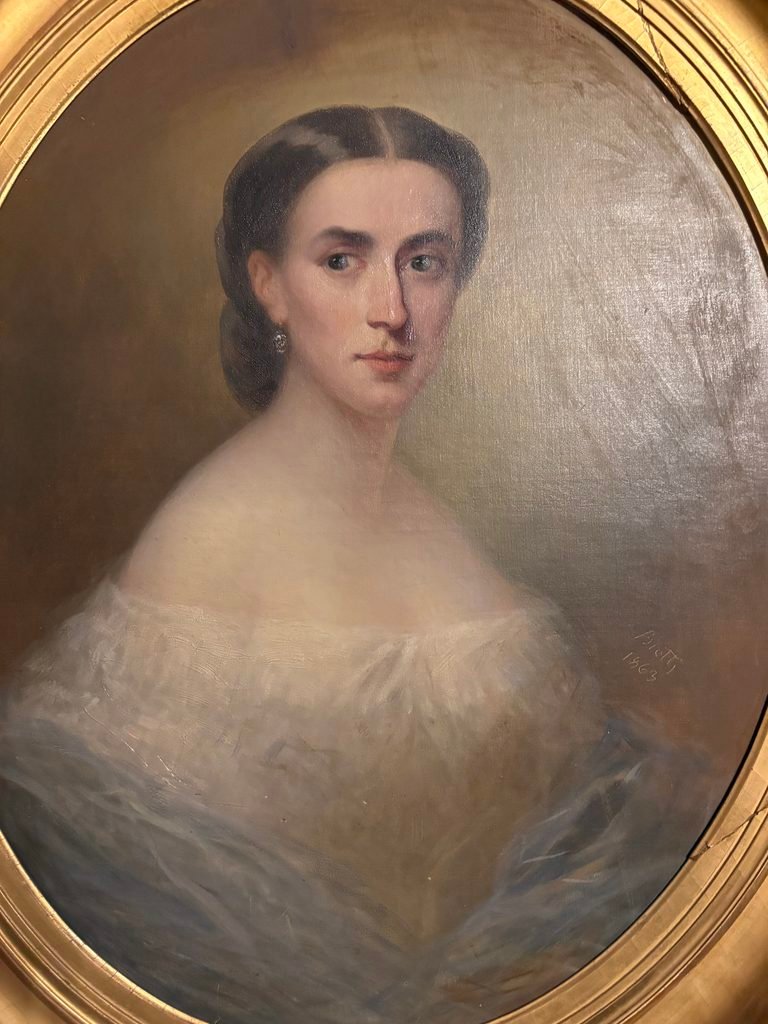
I acquired this remarkable Victorian portrait a couple of years ago from a friend and fellow collector of antiques. It is an oil portrait of an elegantly dressed woman, set within a large oval gilt frame. In the lower corner is a faint, somewhat enigmatic inscription, accompanied by the clearly written date 1863.
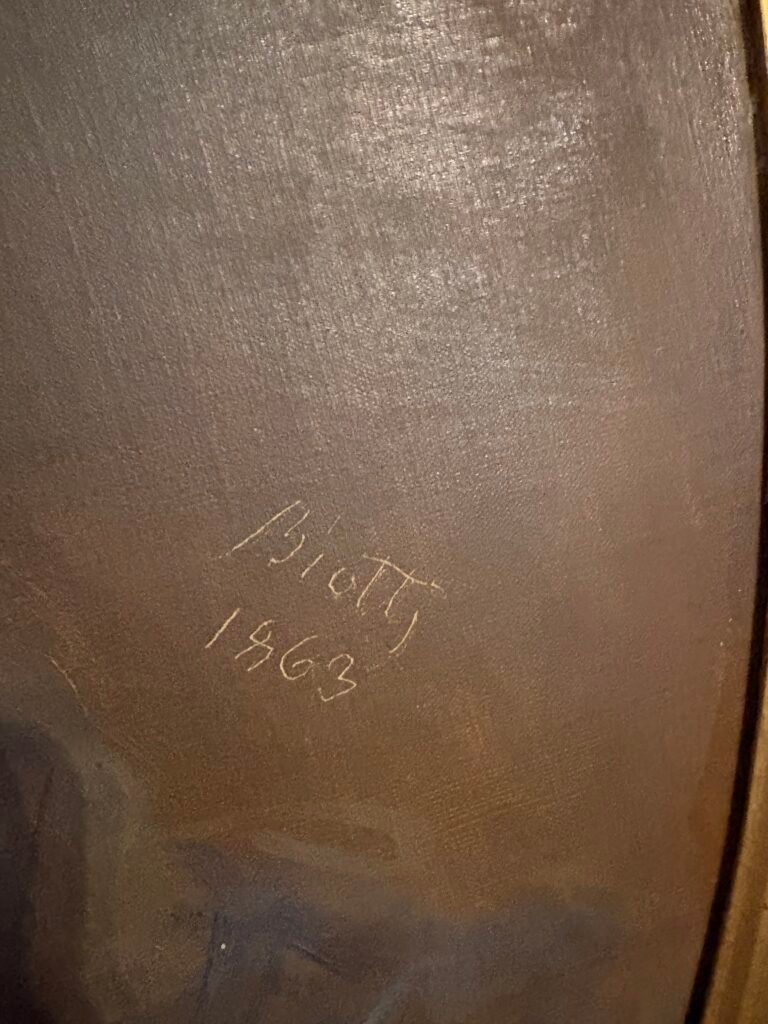
From the first moment I saw her, I was struck by the woman’s eyes.
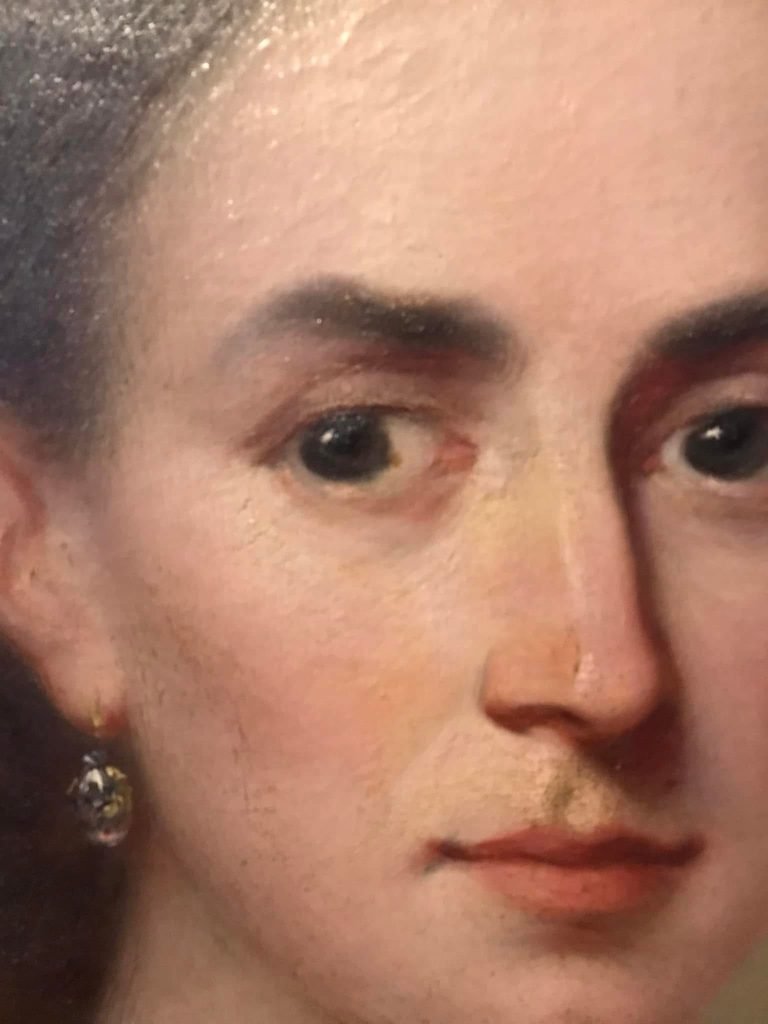
There is extraordinary skill in the way they were painted. They seem almost alive. As you move around the room, her gaze appears to follow you—not menacingly, but with a kind of solemn inquiry. Her expression is composed and dignified, yet there is something deeply contemplative about it. To me, the portrait projects a quiet, almost reverential calm.
When I brought the painting home, I hung it in our living room. Three generations of our family live under the same roof, and the portrait happened to be positioned near the part of the house where my mother spends much of her time.
A few days later, my mother asked me to move it.
At first, she did not want to explain why. Eventually she admitted that the portrait made her uncomfortable, particularly at night. She felt as though the woman’s eyes were following her whenever she moved through the room.
We laughed about it a little, but I agreed to relocate the painting to another part of the house where my mother would not have to see her.
That made me curious.
I contacted my friend, the previous owner, and asked if he knew anything more about the portrait. He told me that he had originally discovered it at an estate sale here in the San Francisco Bay Area and had hung it in his own home.
Then came the interesting part.
His wife had also become uncomfortable with the portrait.
She told him that whenever she sat in the same room with the painting, she had the strange sensation that the lady was trying to communicate with her. Eventually, the portrait was removed from their living space and placed in the basement. Later, my friend decided to sell it—and that is how this mysterious lady eventually came to me.
I don’t necessarily interpret these experiences as supernatural. There may be a much more fascinating explanation: the artist was simply exceptionally good.
The carefully positioned pupils, the slight turn of the head, the controlled expression, and the extraordinary modeling around the eyes create that centuries-old portraitist’s illusion in which a painted person seems to maintain eye contact as the viewer moves. In this portrait, the effect is unusually powerful.
And perhaps that is what I love most about her.
We do not know who this woman was. We do not know what her life was like, what she loved, what she feared, or why someone commissioned her portrait in 1863. More than 160 years later, her name may have disappeared, yet her gaze remains remarkably present.
She looked across a room in someone else’s home long before any of us were born.
And somehow, she still does.
For me, this portrait represents one of the things I treasure most about collecting antiques: the opportunity to preserve objects whose stories have been partially lost, while still allowing them to speak for themselves.
I am proud to have this beautiful and slightly mysterious Victorian lady in my collection—and very happy to share her with you.
Thank you for reading.